Corporate Headshot Packages Explained: Studio, On-Site, and Volume Sessions
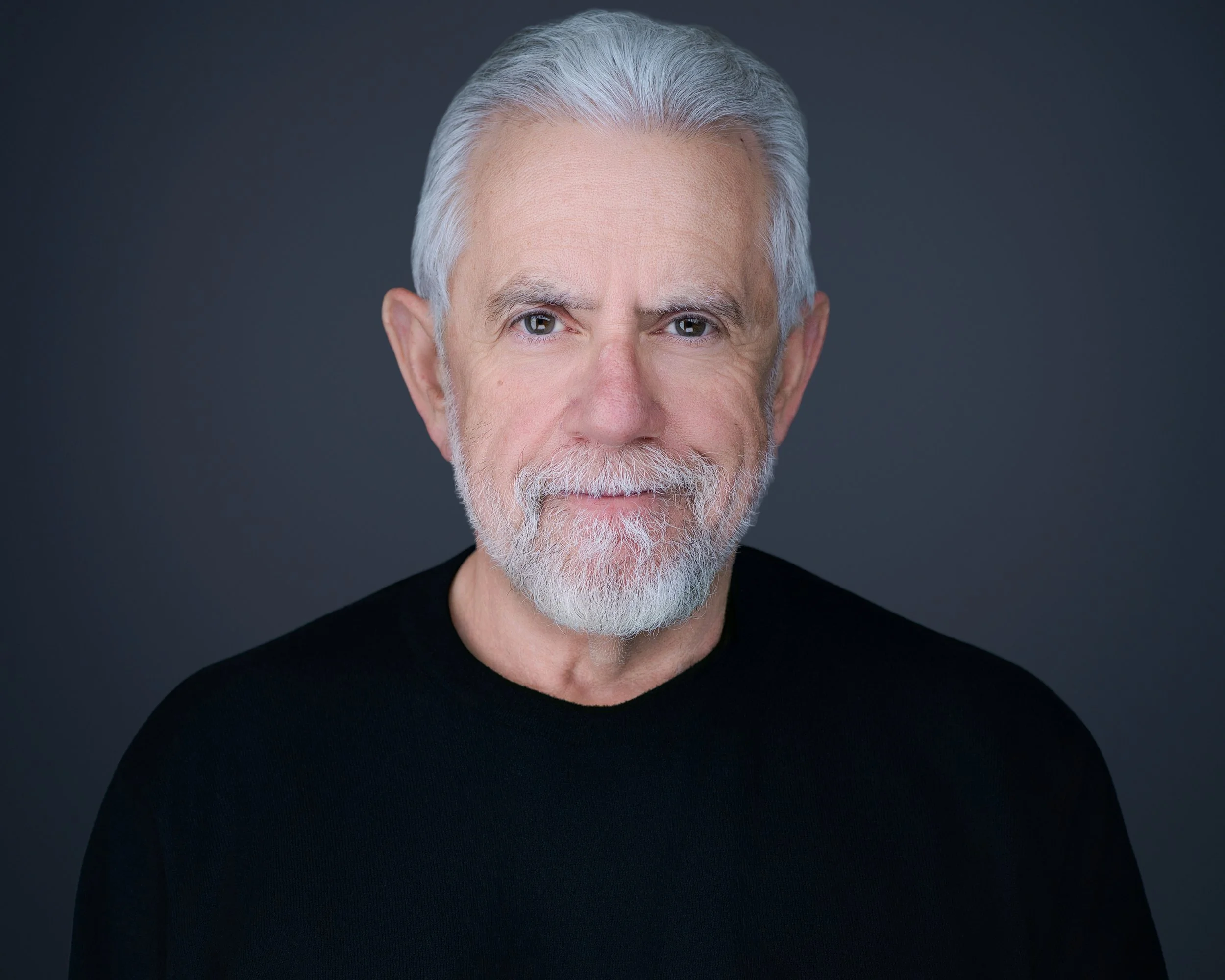
Choosing the wrong setup for your team does not just affect the photos. It affects whether the day runs smoothly, whether your team shows up, and whether the results are consistent enough to actually use.
Most companies do not realize there are meaningfully different ways to structure a professional headshot session until they are already committed to one. This is a plain explanation of what each option looks like, who it works for, and how to decide.
Studio sessions
A studio session means you travel to the photographer. The environment is fully controlled — lighting, background, and setup do not change from person to person. For an individual executive who wants the highest possible quality and has flexibility in their schedule, this is the right call.
For a team, it becomes a logistics problem fast. Getting 10, 20, or 40 people to leave the office on the same day, travel to a location, and return without disrupting a full workday is a harder ask than most HR managers want to own. The quality ceiling is high, but the coordination cost is real.
On-site sessions
On-site means the photographer comes to you. A complete portable studio — lights, background, camera, everything — gets set up in a conference room, lobby, or open office space. Your team walks in, gets photographed, and walks out. No travel, no disruption to the workday beyond a 15-minute window per person.
Earlier this year I photographed 46 foodservice and hospitality professionals at a venue on Long Island. One Google reviewer wrote that "the poise and relaxed nature behind the camera allowed even the shyest person to open up and take a great photo." That outcome is only possible when the environment feels familiar and the pressure is low. Bringing the studio to your team is what creates that.
On-site is the right choice for any team larger than five people. The logistics are simpler, participation rates are higher, and the consistency across the full team is easier to maintain when every person is photographed in the same setup on the same day.
Volume sessions
Volume sessions are on-site sessions structured specifically for large headcount. The difference is in the planning: tighter time slots, a defined flow through the space, and a process built to move efficiently without sacrificing quality.
At 46 people, the Long Island session ran as a volume shoot. Each person had a 5-minute slot. The setup did not change between subjects. The result was 46 consistent, professional images delivered from a single session — not a patchwork of photos taken at different times by different photographers.
If your company has more than 20 people to photograph, you are planning a volume session whether you call it that or not. The question is whether your photographer has a process built for it.
What to look for regardless of which format you choose
Consistency is the only metric that matters at the team level. A single great photo of your CEO surrounded by mismatched headshots from five different photographers still reads as a disorganized team page. The goal is not the best individual photo. It is a set of photos that reads as one team.
Ask any photographer you are evaluating how they maintain consistency across a full team. The answer should include lighting setup, a repeatable posing and expression process, and delivery in multiple crops for every platform your team uses. If the answer is vague, the results will be too.
Every session I run uses tethered shooting, which means each subject sees their image on a monitor in real time. There is no guessing, no waiting two weeks for a gallery of 300 photos to sort through. The team leaves knowing exactly what they got.
How to get a quote
The right package for your team depends on headcount, location, timeline, and how the images will be used. Fill out the quote form and I will scope the session for your specific situation before we speak.